Waterfalls are for nature lovers, hikers and photographers one of the most exciting experiences in the natural environment of Greece. Most are famous for their lush vegetation and dazzling beauty. These little wonders of nature that some of them look like postcard images are really worth a visit.
Spring (March–May) is usually best, when water flow is high and the weather is mild.
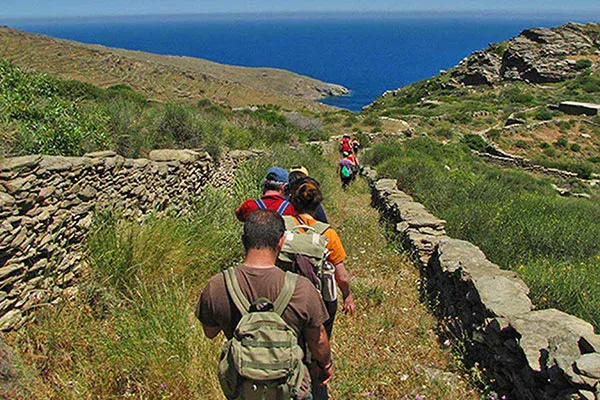
Some are very accessible by car or short walks, while others require hiking. Check individual waterfall info before visiting.
Many waterfalls, especially in the Peloponnese and Crete, have natural pools suitable for swimming, but safety varies. Always check local conditions for depth, currents, and rocks. Some waterfalls, like Neda Waterfalls, are popular for summer swimming.
There is no official figure for the exact number of waterfalls in Greece, as many of them are small, seasonal, or located in remote and hard-to-reach areas. Our team has explored and documented the most well-known and impressive waterfalls across the country, bringing you a curated selection of those truly worth visiting.
Early morning or late afternoon provides the best lighting. A tripod and ND filter help capture silky smooth water effects. Many waterfalls are in shaded areas, so adjust your camera settings for low-light conditions.
For most waterfalls, comfortable walking shoes, water, and a camera are sufficient. Some remote waterfalls may require hiking gear such as trekking poles, sturdy boots, and rain protection. Swimming-friendly waterfalls might also require a swimsuit and towel.
Discover more of Greece’s wild beauty through spectacular caves, dramatic gorges, breathtaking national parks and the best hiking trails. Explore diverse landscapes, hidden natural wonders and unforgettable outdoor adventures across the country.