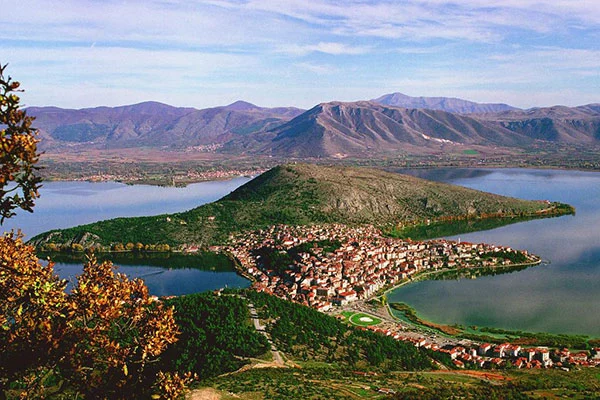
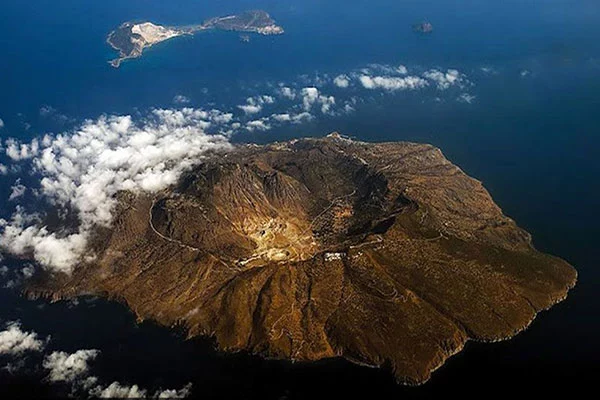
From impressive rock formations and volcanic craters to monumental trees, sinkholes and stone forests, the natural monuments in Greece reveal a fascinating side of the country's landscape. Shaped by geological processes, water and erosion, these remarkable features display the diversity of Greece's natural environment.
Scattered across the mainland and islands, these natural wonders of Greece include unusual geological formations, distinctive coastal landscapes and places with unique habitats and biodiversity. Some stand out for their extraordinary shapes, while others are valued for their ecological importance or the rare natural features they preserve.
Browse our guide to discover natural landmarks in Greece, find out where they are located and plan visits to places that offer something different from the country's famous beaches, archaeological sites and traditional villages. Whether you are interested in geology, nature, photography or outdoor exploration, these remarkable destinations invite you to appreciate Greece from a different perspective.
A natural monument is a distinctive natural feature valued for its geological, ecological, scientific or aesthetic significance. In Greece, these features can include unusual rock formations, monumental trees, stone forests, craters, natural rock pools, monoliths, coastal formations and other natural landmarks that showcase the country's diverse landscape.
Greece has a wide variety of natural features, including sinkholes, volcanic craters, monoliths, stone forests, coastal formations and natural rock pools. Some locations are also important for their unique habitats and biodiversity, such as valleys that provide shelter for rare or notable butterfly populations.
No. Although many remarkable natural features are protected, not every unusual rock formation, cave or scenic landscape has an official protected status. In Greece, the designation of a protected natural formation or a Preserved Natural Monument has a specific legal meaning, and applicable restrictions depend on the site's designation and protection rules.
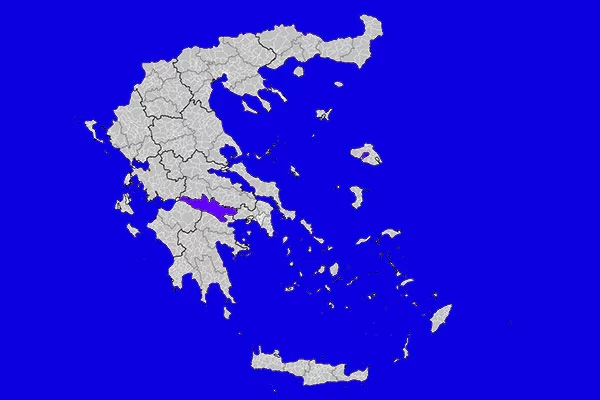
Natural monuments can be found throughout mainland Greece and the islands. They occur in mountainous areas, forests, river valleys, coastal landscapes and volcanic regions. Their distribution reflects Greece's varied geology, terrain, climate and ecosystems.
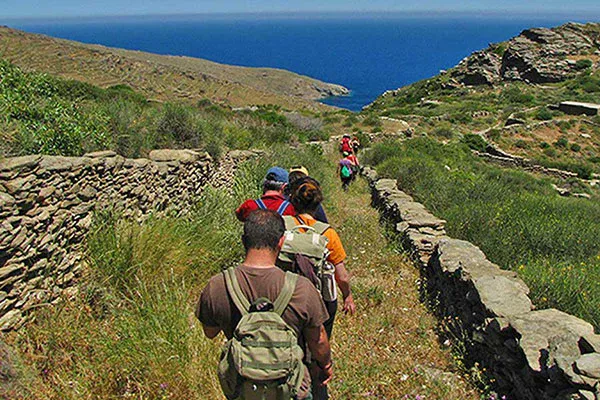
Many natural monuments are accessible to visitors, but access depends on their location, condition and protection status. Some can be reached by ordinary roads or walking trails, while others require a longer hike or specialist guidance. Check local access information before visiting, particularly if the site is remote or lies within a protected area.
Visitors can help preserve these natural landmarks by following marked paths, taking all rubbish with them, avoiding damage to rocks and vegetation, and respecting wildlife. Do not remove fossils, stones or other natural materials, and follow any restrictions on access or activities. Responsible visits help conserve these unique places for future generations.
From mysterious caves and volcanic landscapes to cascading waterfalls and striking geoparks, Greece reveals the forces that shaped its scenery. Find natural wonders carved by fire, water and time, and see another side of the country]'s extraordinary geological heritage.