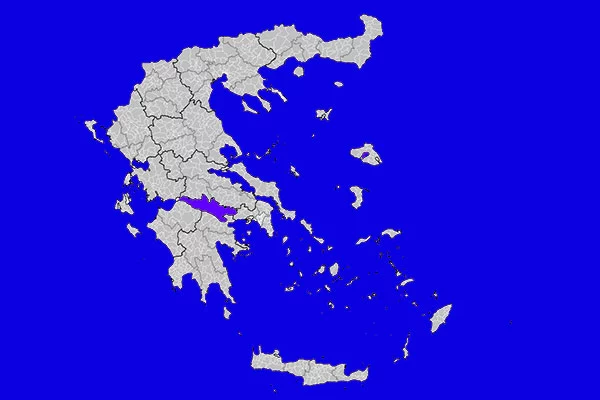
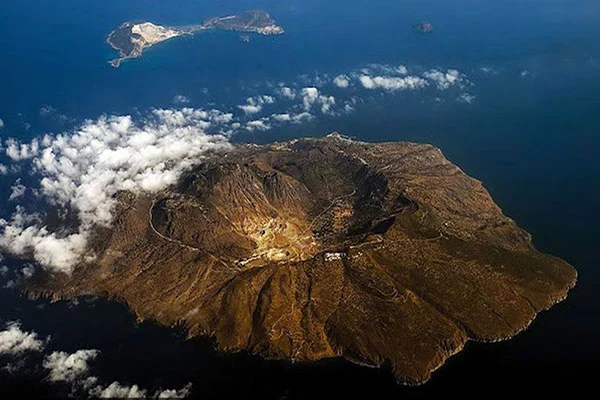
Greece is home to some of the most fascinating active volcanoes in Europe, with volcanic landscapes scattered across the Aegean Sea. Although the country has around 39 volcanic centers, only five volcanoes remain active today, attracting visitors with dramatic calderas, volcanic craters, geothermal activity and breathtaking island scenery. These volcanic islands form part of the Hellenic Volcanic Arc, which stretches from Methana near Corinth to Nisyros in the Dodecanese.
The Santorini Volcano is among the world’s largest active submarine volcanoes and was responsible for one of the most powerful eruptions in recorded history around 1600 BC, an event linked to the decline of the Minoan civilization in Crete. From the famous Santorini caldera to the walkable volcanic crater of Nisyros, Greece offers unique volcanic experiences combining natural beauty, geology and history. Discover the top active volcanoes in Greece and explore some of the country’s most extraordinary natural wonders.
Yes, Greece is one of the most volcanically active countries in Europe. The main active volcanic areas are located in the South Aegean Volcanic Arc and include Santorini, Nisyros, Milos, Methana, and the volcanic region of Kos.
The volcano of Santorini is the most famous in Greece and among the best known in the world. Its massive eruption around 1600 BC shaped the island’s unique caldera and is believed to have influenced the Minoan civilization.
Yes, many Greek volcanoes can be visited safely. Popular activities include hiking on the volcanic islands of Santorini and Nisyros, visiting craters, exploring lava landscapes, and swimming in hot springs.
The volcanoes of Santorini, Nisyros, and Methana are considered active, although they are currently dormant. Milos and Kos also show volcanic and geothermal activity.
Each volcanic destination offers a different experience. Santorini is famous for its caldera views and sunsets, Nisyros for its impressive volcanic crater, and Milos for its colorful volcanic beaches and landscapes.
Yes, the volcanic areas in Greece are continuously monitored by scientists and are considered safe for visitors. Tourist activities take place under normal safety conditions, although access may occasionally be restricted in certain areas for precautionary reasons.
Greece combines spectacular volcanic landscapes, UNESCO geoparks, impressive caves, scenic hiking trails and natural thermal springs, offering unforgettable outdoor experiences and access to some of the country’s most fascinating geological and natural wonders.