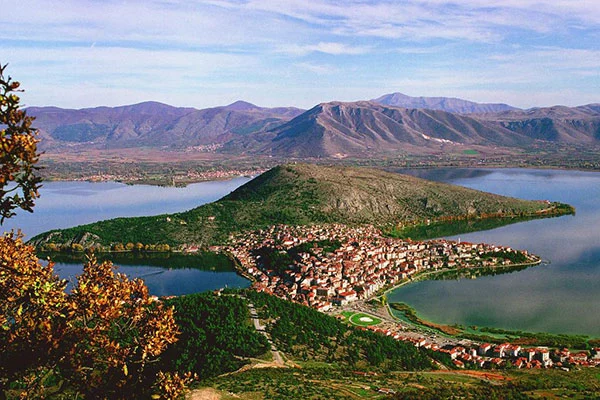
Lakes are one of the most important wetlands on the planet. Unique ecosystems for birds and fish. They are a source of wealth for Greece. Most of the country's lagoons are protected by the RAMSAR treaty and are environmental parks and ecosystems worth visiting to get to know their uniqueness.
A lagoon is a shallow body of water separated from the open sea by a barrier such as a sandbar, sand dunes or a narrow coastal strip, although some lagoons remain connected to the sea through channels. Depending on the water exchange and local conditions, lagoons may contain saltwater, brackish water or a mixture of different water sources. Many are important habitats for fish, migratory birds and other wildlife.
Greece has several well-known lagoons and coastal wetlands. Balos in northwestern Crete is famous for its turquoise waters and striking sandy landscape. The Messolonghi–Aitoliko lagoon complex in western Greece is renowned for its extensive wetlands and birdlife, while Gialova Lagoon in the Peloponnese is known for its biodiversity. Other notable examples include Kalochori Lagoon near Thessaloniki, Strofilia Lagoon at Koukounaries in Skiathos, Vivari Lagoon in Argolis, and the lagoon at Glarokavos in Halkidiki. Lake Vouliagmeni, also known as Heraion Lagoon, lies near Perachora and Loutraki in Corinthia.
Messolonghi–Aitoliko, Gialova and Kalochori are among the notable wetland areas for observing waterbirds. Depending on the season, visitors may see flamingos, herons, pelicans, ducks and other migratory species. Strofilia Lagoon on Skiathos also provides valuable habitat for wildlife. Visit quietly, keep your distance from birds and follow any restrictions within protected areas.
Several Greek lagoons and wetland complexes are included in the Natura 2000 network. Examples include the Messolonghi–Aitoliko lagoon complex, Gialova Lagoon and the Koukounaries–Strofilia area on Skiathos. Protection measures differ between sites, so visitors should follow local rules and avoid disturbing wildlife or damaging sensitive habitats.
Swimming is possible at some lagoon and coastal areas, but not every lagoon is suitable or open for bathing. Balos is known for its shallow turquoise waters, while Glarokavos has a small lagoon beside its beach. Other lagoons are primarily wildlife habitats, and swimming may be restricted or unsuitable. Check local access rules and water-quality information before entering the water.
Spring and autumn are often excellent for birdwatching because many migratory birds pass through Greek wetlands during these seasons. Summer can be attractive for coastal scenery and swimming at locations where bathing is permitted. Conditions vary by location and season, so check access information and local weather before planning your visit.
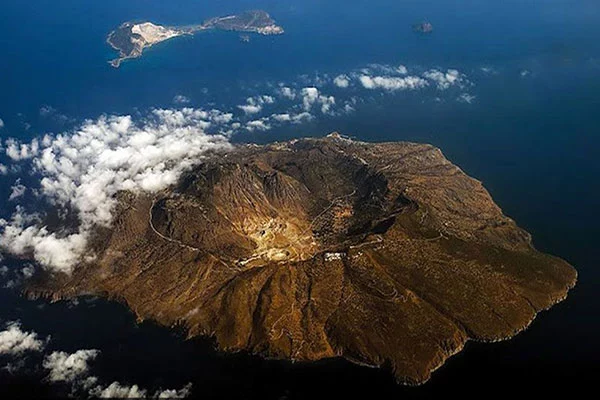
Explore Greece’s volcanoes, cascading waterfalls, dramatic gorges and remarkable natural monuments. These landscapes reveal the forces that shaped the country and inspire scenic outings, nature walks and memorable adventures beyond its famous beaches and towns.