Some villages in Greece were abandoned following earthquakes or other natural disasters, while others gradually emptied as residents moved to larger towns or emigrated abroad in search of work and better opportunities. Today, ruined houses, deserted lanes and old churches offer reminders of communities that once thrived, creating the impression that time has stood still.
From remote mountain settlements to forgotten villages on the islands, Greece has many abandoned places with stories to tell. Some are associated with local legends and traditions, while others have served as film locations. Each has its own history, shaped by events and changing circumstances that eventually led residents to leave.
Explore some of the ghost villages in Greece, learn why their inhabitants abandoned them and find out what remains of the communities that once called these places home.
A ghost village is a settlement that has been completely or largely abandoned by its residents. In Greece, these villages can contain deserted stone houses, empty streets, old churches and abandoned agricultural buildings that offer a glimpse into the country's rural past. Some are almost entirely deserted, while others have a small number of permanent or seasonal residents.
Villages in Greece were abandoned for a variety of reasons. Many lost residents as people moved to larger towns and cities in search of employment, education and better access to services. Economic changes, declining agricultural activity, natural disasters and difficult living conditions also contributed to the abandonment of certain settlements. Each village has its own history, and the reasons for its decline can differ considerably.
Abandoned villages can be found in different parts of Greece, including mountainous mainland regions and some of the country's islands. Remote locations, declining rural communities and settlements affected by particular historical or environmental events have all contributed to this landscape. Their condition varies, from villages with many surviving traditional buildings to places where little remains beyond ruins.
Yes, some abandoned villages can be visited independently, while others may require more careful planning because of their remote locations or limited road access. Before setting out, check the route, local access conditions and whether any restrictions apply. Visiting with a local guide can be particularly worthwhile when a village has an interesting history or is difficult to reach.
Some abandoned villages are accessible, but deserted buildings can present risks. Unstable walls, damaged roofs, loose stones and overgrown paths may make certain areas dangerous. Avoid entering structures that appear unsafe, respect private property and any posted restrictions, and do not explore isolated sites alone without informing someone of your plans.
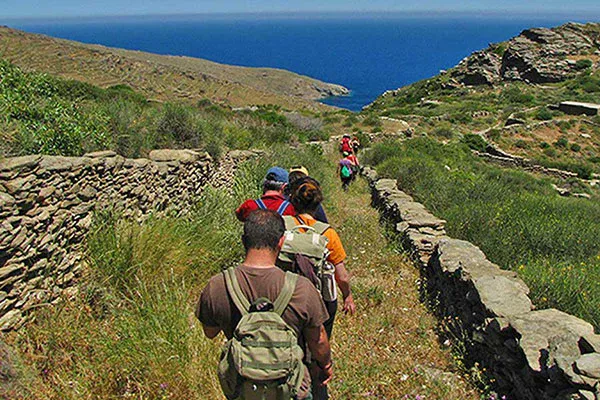
Wear sturdy walking shoes and bring water, sun protection and a charged mobile phone. Depending on the location, offline maps and a torch may also be useful. Some villages have no shops, services or reliable mobile reception, so plan your route in advance and check the weather and road conditions before travelling.
Keep exploring Greece through its traditional settlements, from stone-built mountain villages and beautiful island communities to imposing castles, historic towers and picturesque old districts, where architecture and local heritage bring the country's past to life.