The stone bridges of Greece stand unchanged in time, highlighting the art and the passion of the craftsmen of the time. They are human works that have matched the natural environment so much. Their name usually comes from the name of the sponsor who gave the money for their construction or repair. Other times the names came from the stream they were building, from the area where they were built, or from the names of neighboring mills.
There is no exact official number, as many stone bridges are small, remote, or undocumented. However, estimates suggest there are over 500 traditional stone bridges across Greece. Many are hidden in mountainous landscapes, while others have been lost over time due to natural wear or damage. This makes discovering them feel like uncovering hidden gems of Greek heritage.
The highest concentration of stone bridges can be found in northwestern Greece, especially in Epirus. Key regions include: Zagori, Konitsa & Tzoumerka (Epirus), Thessaly (Trikala & Pindus Mountains), Macedonia, Peloponnese (Arcadia) and Pelion. The rugged terrain, rivers, and mountain ranges in Epirus are the main reason why this region has the largest number of stone bridges in Greece.
Some of the most iconic and Instagram-worthy stone bridges include: 1. Plaka Bridge (Arta, Epirus), 2. Kokkoris Bridge (Zagori), 3. Kalogeriko or “Plakida” Bridge (Zagori), 4. Missios Bridge (Zagori) 5.Manassis Bridge (Zagori) 6. Kleidonia Bridge (Konitsa, Epirus) 7. Vrosina Bridge (Thesprotia) 8. Platanos Bridge (Arcadia) 9. Palaiokarya Bridge (Trikala) 10. Mylos Bridge (Pelion) Most of these bridges are set in stunning natural landscapes with rivers, gorges, and forests, making them perfect for photography and exploration.
The best time to explore is spring and autumn, when nature is at its most vibrant and rivers have strong water flow. Summer is also a good option, especially for combining visits with hiking, though temperatures can be higher in some regions.
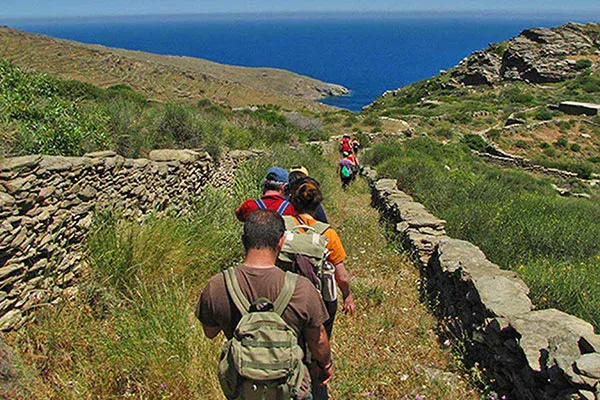
Absolutely. Stone bridges are among the top hiking and photography spots in Greece. Areas like Zagori offer scenic trails that connect bridges, traditional villages, and dramatic gorges—creating some of the most beautiful hiking routes in the country.
Beyond their original practical use, stone bridges are now cultural landmarks that reflect traditional craftsmanship and the history of local communities. Many have been officially designated as protected monuments, preserving their architectural and historical value for future generations.
Discover more of Greece’s wild beauty through spectacular caves, dramatic gorges, breathtaking national parks and the best hiking trails. Explore diverse landscapes, hidden natural wonders and unforgettable outdoor adventures across the country.