












Μετάφραση 
Acropolis of Poseidion
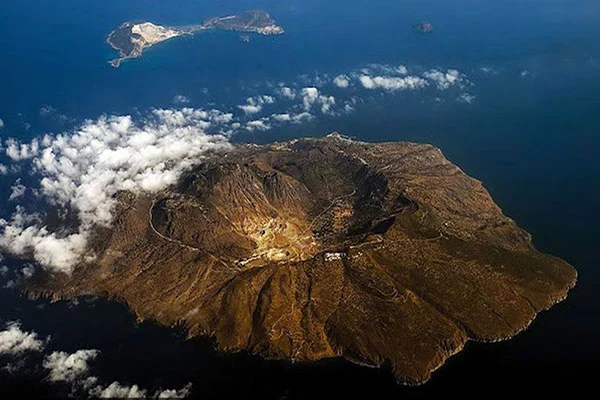
The ancient city of Potidaion, also known as Poseidion—a name recorded by the Roman geographer Claudius Ptolemy—once stood on the site of today’s Karpathos Town, the island’s modern capital. During the Hellenistic period, Potidaion was one of the three major ancient cities of Karpathos, alongside Arkesia and Vrykos, and served as the island’s main harbour.
Archaeological evidence suggests the area was already inhabited during the Late Neolithic to Early Bronze Age, while the city reached its peak during the Roman and Early Christian periods, highlighting its long and continuous history.
The Hellenistic Acropolis of Potidaion was built on a low hill rising about 23 metres above sea level, northeast of the present-day port. Epigraphic finds indicate the existence of a temple dedicated to Athena Lindia, as well as a public sacrificial area (hieron). The surviving remains, mainly located on the western slope overlooking the harbour, date to the Hellenistic era. However, it is believed that Mycenaean settlers had established an earlier acropolis on the same hill centuries before.
Today, visitors can still see sections of the ancient fortification walls, retaining structures, a water cistern, and an inscribed decree honouring Emperor Trajan. The Acropolis of Poseidion is one of Karpathos’ most important archaeological sites, offering valuable insight into the island’s rich, multi-layered past and rewarding visitors with both historical depth and scenic views over the harbour.
