Thessalia
Magnesia
Milies
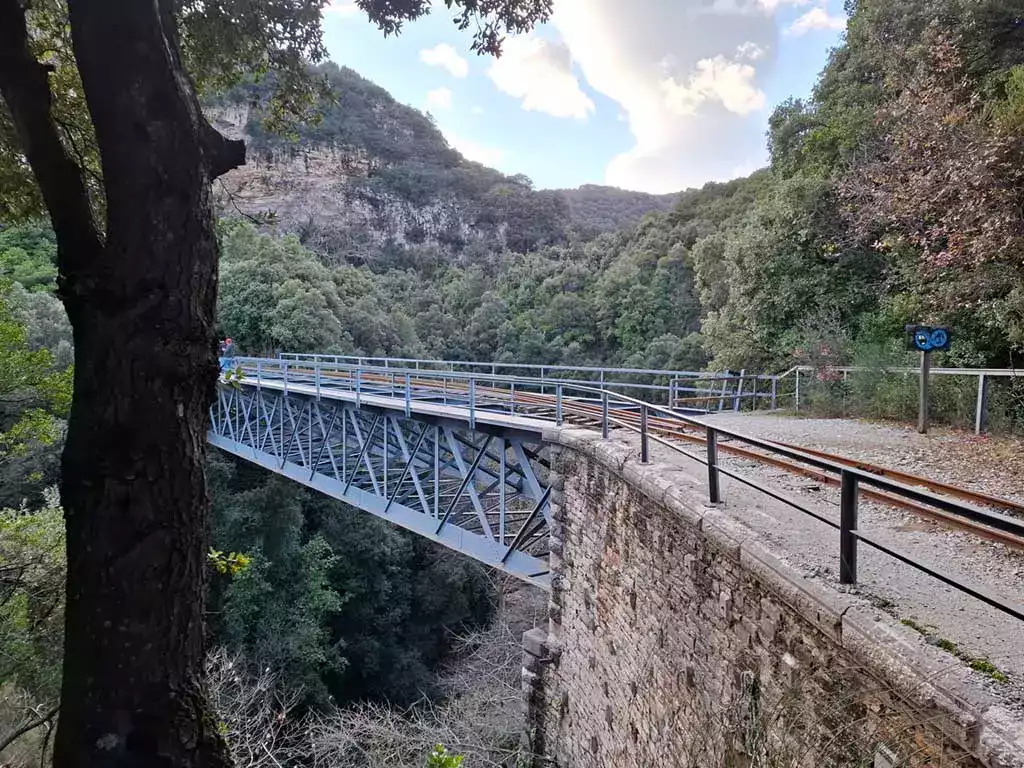
Nestled near the village of Milies in Mount Pelion, the De Chirico Bridge—also known as the Taxiarchis Bridge— stands as a remarkable testament of engineering brilliance. This stunning iron bridge, renowned for its architectural significance, spans over a deep ravine, offering visitors breathtaking views and many photo opportunities. Designed by Evaristo de Chirico, father of renowned painter Giorgio de Chirico, this bridge is the only one worldwide where railway tracks curve over a straight girder, showcasing an innovative design.
Historical Significance
Constructed between 1892 and 1903, the bridge was part of the 16-kilometer railway line connecting the bustling port city of Volos to the villages of South Pelion. The line was built by workers from different nationalities under the supervision of German blacksmith Schneider. The Pelion train played a crucial role in the area's commercial and industrial development, facilitating the transport of goods and passengers through the mountainous terrain.
Architectural Features
The De Chirico Bridge is celebrated for its distinctive design, where the railway tracks curve over a straight steel girder—a rarity in bridge construction. This unique feature was implemented to navigate the challenging topography of the region. Additionally, the bridge incorporates support tracks designed to prevent derailments, ensuring the train remains on course. The surrounding stone structures exemplify exceptional craftsmanship, seamlessly integrating the bridge into the natural environment with both technical excellence and environmental sensitivity.
Visiting De Chirico Bridge
Located approximately 500 meters from the Milies railway station, the bridge is easily accessible on foot. Visitors can explore this engineering marvel and appreciate the panoramic views of the surrounding area that offers a blend of natural beauty and historical intrigue, making it a must-visit for history enthusiasts and nature lovers alike.
The Pelion Train Experience
Although the original railway line ceased operations in 1971, a portion was reopened in 1996 as a tourist attraction. The restored route between Ano Lechonia and Milies allows visitors to experience a nostalgic journey through the scenic landscapes of Pelion. Riding the historic train offers a unique perspective on the region's rich heritage and the engineering feats accomplished over a century ago.
Nearby Attractions
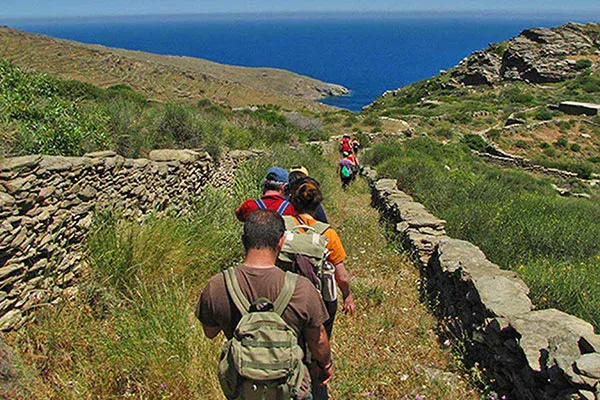
While in Milies, visitors can explore the charming village, known for its traditional architecture, rich cultural heritage, and the historic Milies Library. The surrounding area is ideal for hiking, with trails that offer stunning views of the Pelion Mountain and the Aegean Sea.
GPS Coordinates: 39.32746, 23.13761
 Euripus Bridge Evia
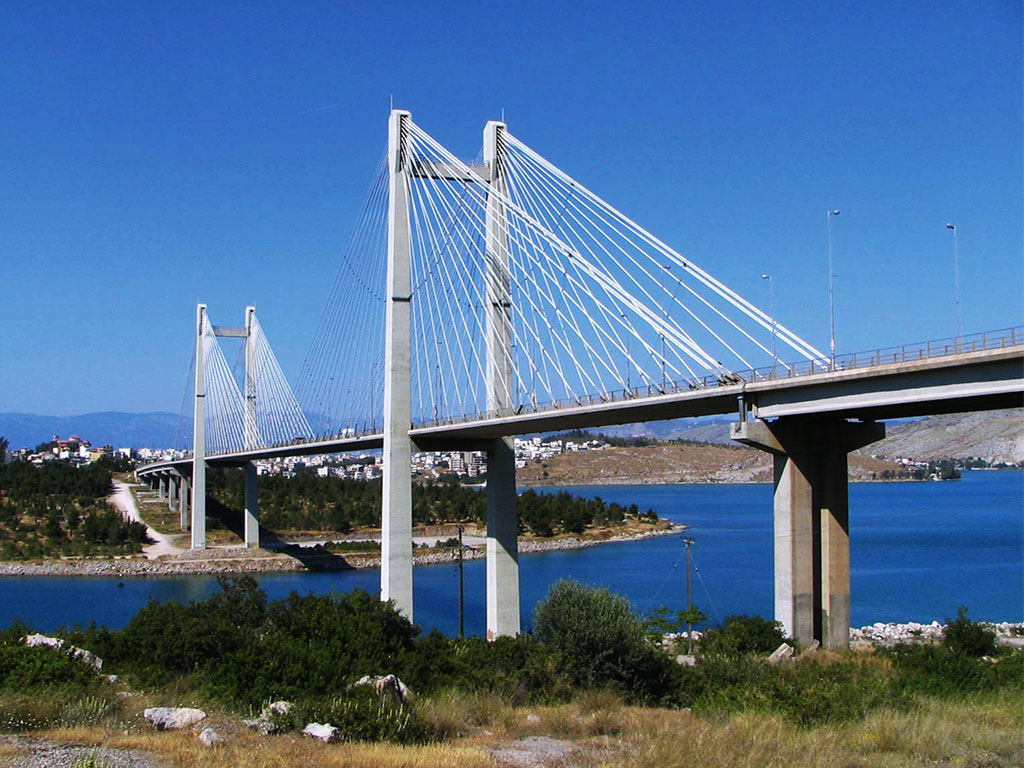
High Euripus Bridge: Modern Gateway to Evia Island
 Litheos River Central Bridge
Litheos River Bridge Trikala: A Scenic City Landmark
 Rio Antirio Bridge
Rio-Antirrio Bridge: One of the Longest Cable-Stayed Bridges
 De Bosset Bridge
De Bosset Bridge Kefalonia: Historic Crossing in Argostoli
 Servia High Bridge
Discover the Servia High Bridge Over Lake Polyphytos
 Tatarna Bridge
Tatarna Bridge Evrytania: Iconic Bridge Over Lake Kremasta
 Posidonia Submersible Bridge
Posidonia Submersible Bridge: A Unique Engineering Wonder
Discover a curated selection of Greece’s top experiences, from festivals and sporting events to museums and hiking trails. Plan your next adventure and explore the best activities the country has to offer.